
Explore the World of Geophysics at American National College
Explore ANC and embark on a fascinating journey into the depths of the Earth with American National College Geophysics course. Geophysics, the focal point of this exploration, delves into the study of the Earth’s physical properties and processes. This course not only opens doors to understanding our planet but also equips students with the skills needed for impactful careers in various scientific and industrial fields.
Discovering the Earth’s Interior
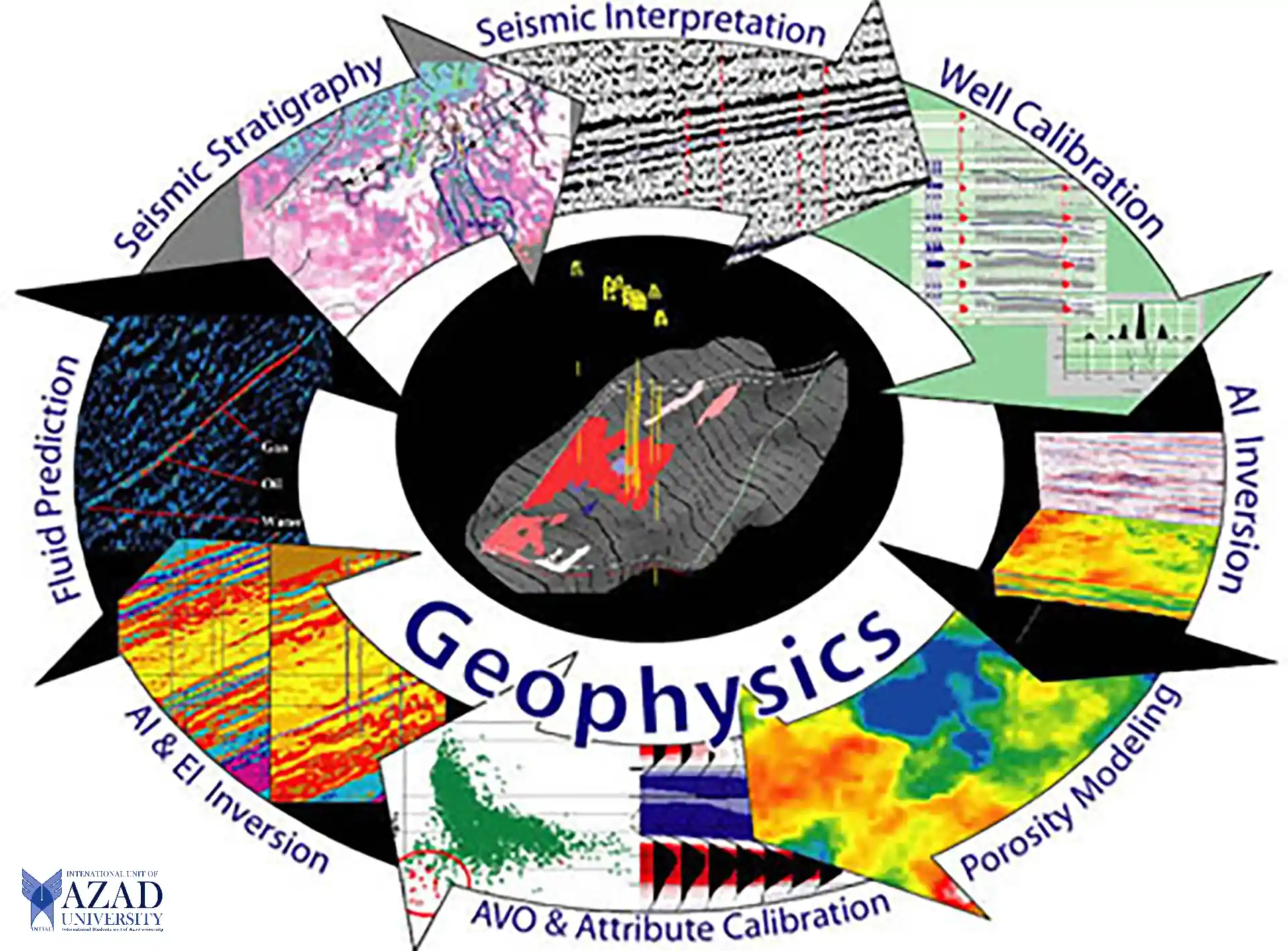
Geophysics at American National College unveils the mysteries concealed beneath the Earth’s surface. Through modern technologies and practical applications, students gain insights into the composition and dynamics of our planet’s interior. By employing seismic methods, electromagnetic surveys, and gravity measurements, they learn to decipher the complex layers that constitute the Earth.
Moreover, students explore the correlation between geological structures and geophysical anomalies. Consequently, this knowledge empowers them to contribute actively to fields such as mineral exploration, oil and gas industry, and environmental studies. In essence, the Geophysics course at American National College serves as a gateway to solving the Earth’s hidden treasures.
Applications in Environmental Studies
Geophysics plays a pivotal role in addressing contemporary environmental challenges. American National College’s course emphasizes the application of geophysical techniques to assess and monitor environmental conditions. For instance, students learn to utilize ground-penetrating radar to investigate subsurface pollution and evaluate groundwater resources.
Furthermore, the program delves into the use of satellite-based remote sensing for environmental monitoring. This hands-on approach ensures that graduates are well-equipped to contribute meaningfully to environmental conservation and sustainable resource management. Thus, Geophysics at American National College emerges not only as a scientific pursuit but as a tool for positive global impact.
Unveiling Natural Hazards
Understanding and mitigating natural hazards are crucial aspects of geophysics, and American National College course addresses this imperative need. Through the study of seismic activity, magnetic anomalies, and gravitational variations, students gain the skills to assess and predict natural disasters such as earthquakes and volcanic eruptions.
Consequently, graduates are prepared to work in disaster management agencies, contributing to the development of early warning systems. This practical dimension of the Geophysics course at American National College underscores its relevance in fostering societal resilience to natural disasters.
Career Opportunities
Upon completing the Geophysics course at American National College, a myriad of career opportunities awaits graduates. Industries such as energy exploration, environmental consultancy, and infrastructure development actively seek professionals with a solid foundation in geophysics.
Graduates can become exploration geophysicists, utilizing seismic surveys to locate valuable resources. Alternatively, they may choose careers in environmental consulting, applying geophysical methods to assess and remediate contaminated sites. The versatility of the Geophysics course at American National College ensures that students are ready for diverse and fulfilling career paths.
Real-world Application
Geophysics at American National College goes beyond theory, emphasizing hands-on experience and real-world application. Students engage in fieldwork, applying geophysical methods to solve practical challenges in various industries.
Furthermore, the program connects theoretical knowledge with industry needs, preparing graduates for smooth integration into professional roles. As a result, American National College stands out as a leader in providing practical and applicable geophysical education.
Advanced Technology Integration
American National College remains at the front of geophysics education by incorporating the latest technological advancements. The Geophysics course integrates state-of-the-art tools such as satellite imagery analysis, advanced seismic sensors, and artificial intelligence algorithms.
By staying abreast of technological trends, students gain a competitive edge in the job market. Consequently, graduates are not just equipped with theoretical knowledge but are proficient in using modern technology for real-world problem-solving.

International Collaboration Opportunities
Geophysics at American National College opens doors to global collaboration and networking. Through strategic partnerships with international institutions and industry leaders, students have the opportunity to engage in collaborative research projects and internships.
This global perspective enriches the learning experience, exposing students to diverse geophysical challenges and methodologies. Consequently, graduates emerge not only as experts in their field but also as globally-minded professionals.
Industry-relevant Research
American National College Geophysics course places a strong emphasis on research that directly addresses industry challenges. Students actively participate in research projects, investigating topics such as sustainable resource management, environmental impact assessment, and seismic hazard analysis.
This research-oriented approach ensures that graduates contribute valuable insights to the industry upon entering the workforce. American National College takes pride in producing geophysicists who are not only well-trained but also capable of driving innovation in their respective fields.
Alumni Success Stories
The success stories of American National College Geophysics alumni speak volumes about the impact of the program on professional careers. Graduates have excelled in diverse fields, from leading geophysical exploration teams to making significant contributions to environmental conservation.
This network of successful alumni provides current students with valuable mentorship and networking opportunities. It underscores the effectiveness of American National College Geophysics course in shaping accomplished professionals.
Continuous Learning Opportunities
American National College recognizes the importance of continuous learning in the dynamic field of geophysics. The Geophysics course offers opportunities for professional development through workshops, seminars, and online resources.
By fostering a culture of continuous learning, American National College ensures that its graduates stay updated on the latest trends and advancements in geophysics. This commitment to ongoing education sets the foundation for lifelong success in the field.

Conclusion
In conclusion, American National College’s Geophysics course stands as a beacon of excellence, offering not only a comprehensive education in geophysics but also practical, industry-focused training. To explore further and choose the level of education in this course, follow the links for bachelor’s, master’s, and Ph.D. degrees. Additionally, it’s worth noting that all courses at American National College are offered both online and on campus, providing flexibility and accessibility to students worldwide. Join us in uncovering the secrets of the Earth and building a rewarding career in Geophysics at American National College.
Appendix
In conclusion, American National College Geophysics course offers a captivating journey into the heart of the Earth, unravelling its secrets and applying this knowledge to address pressing global challenges. With a focus on practical applications, graduates emerge as skilled professionals ready to make meaningful contributions to industries and societal well-being. Explore the world beneath your feet and unlock the potential of Geophysics at American National College.